FCL or LCL: which do you need?
| Option | What it means | Best for |
|---|---|---|
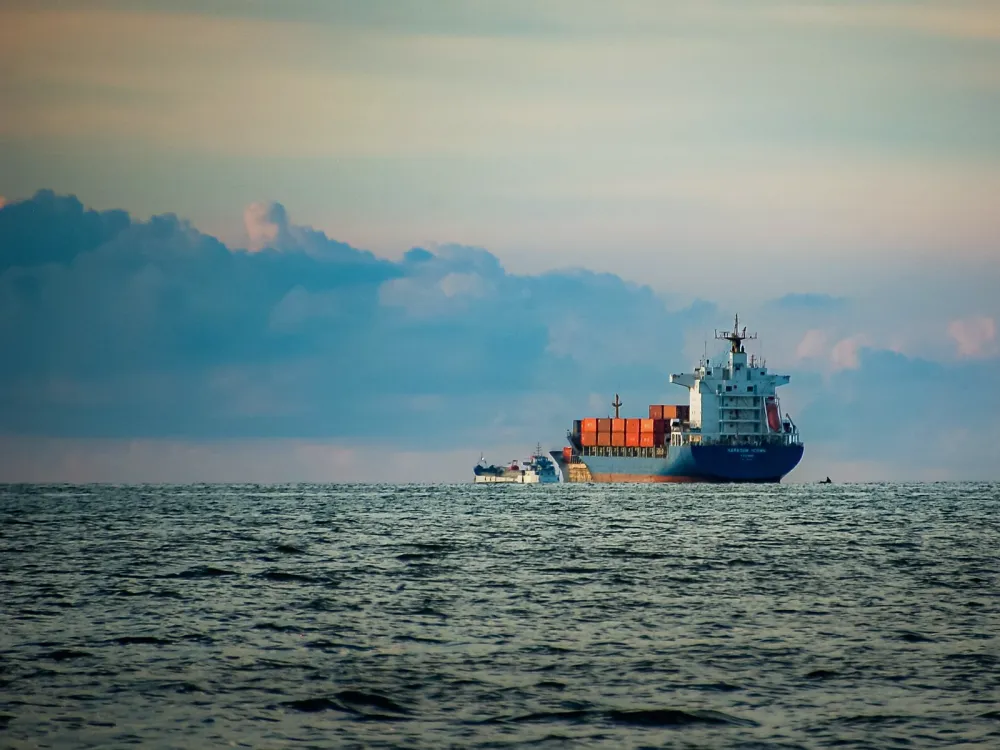
| FCL (full container load) | A 20-foot or 40-foot container used only for your goods | A whole home, or a large business shipment |
| LCL (less than container load) | Your goods share a container with other shipments; you pay for the space used | Smaller loads that do not fill a container |
FCL is usually quicker at the destination, because the container is not shared and unloaded with other cargo. LCL costs less for small loads but is handled more on the way.
How sea shipping works with us
- Survey and volume. We work out how much space your goods need.
- Quote. Freight, handling and documents, listed in writing.
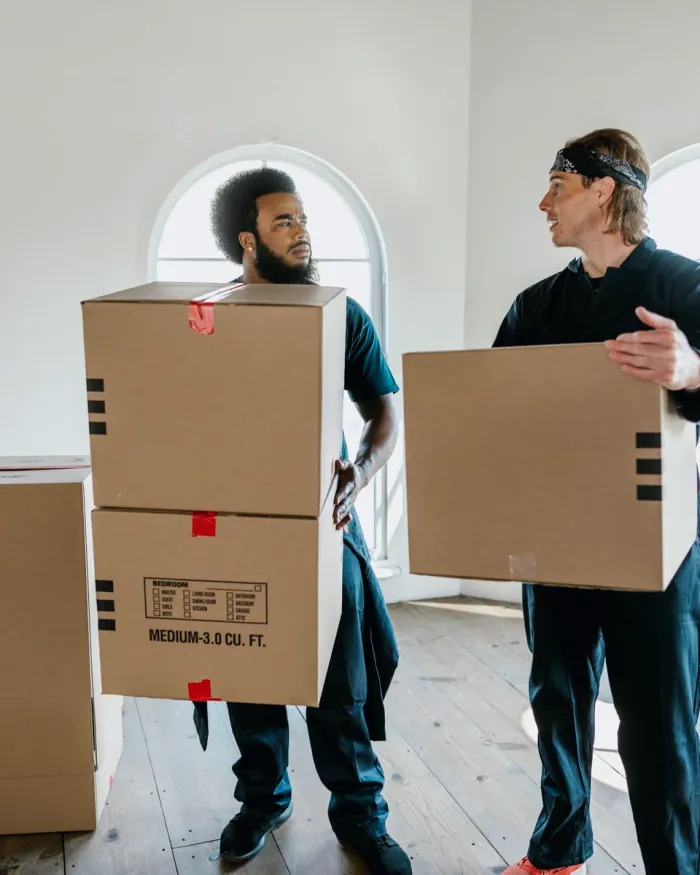
- Export packing. Strong cartons, wrapping and wooden crates made for a long sea journey.
- Export customs and sailing. We prepare the export documents and hand the cargo to the shipping line.
- Arrival. Customs clearance at the destination port and delivery to the door, or collection at the port if you prefer.
Documents usually needed
- Household goods: passport, visa or residence proof for the destination, and a full list of the goods.
- Business cargo: commercial invoice, packing list, IEC (Importer Exporter Code) and the shipping bill; the bill of lading is issued when the cargo is shipped.
The destination country may ask for more, and we tell you exactly what applies to your shipment.
Time and cost
Sea freight takes weeks, not days, so it works best when planned early. The price depends on the route, the ports, the container type and the season. If some things are needed as soon as you land, send them by air freight and the rest by sea.