Start two weeks before
Begin with the things you use least: serving dishes, extra crockery, special-occasion cookware and small appliances. Keep a small set of plates, glasses, a pan, a pot and cutlery out for daily use until the last day.
Utensils and cookware
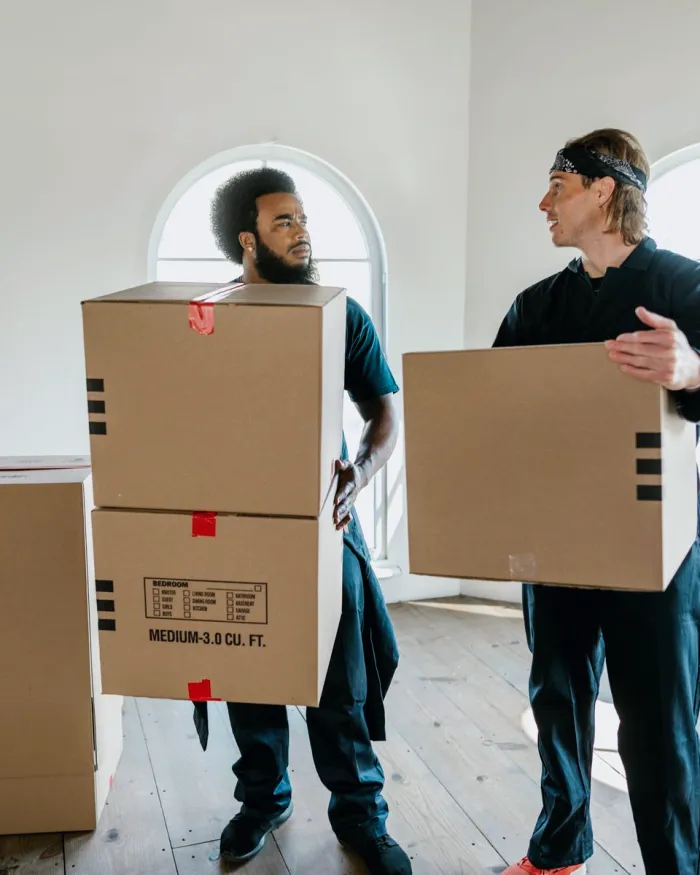
Nest pots and pans with soft paper between them. Heavy items go in small cartons so the carton does not become too heavy to lift, and lids are wrapped separately. Keep cartons under about 15 to 20 kg.
Glass, crockery and fragile items
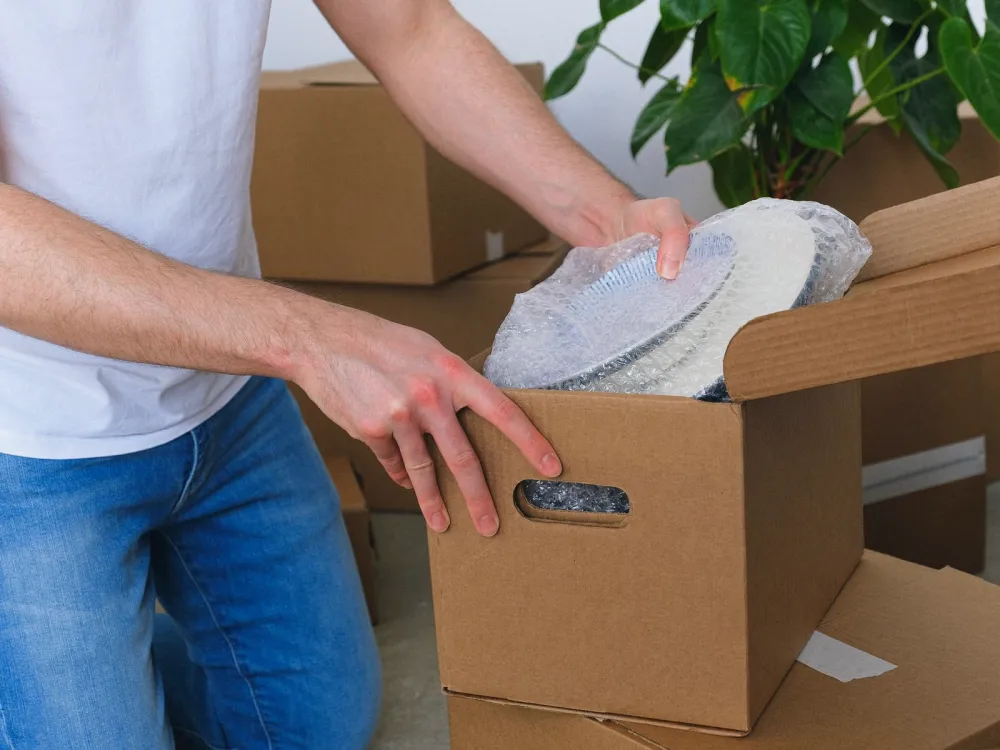
Wrap each piece, stand plates on their edge, and fill all gaps. Our guide on packing fragile items has the detailed method.
Spices, oil and liquids
- Tighten lids and cover the openings with cling film or tape before putting the lid back.
- Put bottles upright in a carton, in a plastic bag, so a leak stays contained.
- Do not pack open packets of flour or sugar loose; transfer them into sealed containers.
Food and perishables
Use up the fridge and freezer in the last two weeks. Perishable food, open packets and anything that can spill or spoil is better not sent in the truck, especially on long routes.
Gas stove, cylinder and appliances
A gas cylinder cannot go on a truck, so arrange to return or transfer your connection. A gas stove is cleaned and packed after the cylinder is disconnected. Defrost the fridge a day before, wrap the cord and keep the doors taped shut. Drain the washing machine, and ask the crew to secure the drum for transit.
Label and pack last
Mark each carton “kitchen”, the type of items and “fragile” where needed. Your daily-use box goes in last and is opened first at the new home. For help with a full kitchen, see our packing and unpacking service.
Last updated 22 October 2026. This guide is general information; your building, city and goods may need a different plan, so ask us for a survey.